
From Disney to Deepfakes: Raising Skeptics Without Crushing the Magic
We taught them to believe in Mickey Mouse. Now we need them to question deepfakes. Here's how to raise critical thinkers without crushing the magic.
GUIDES
Hui Ying
5/21/20264 min read
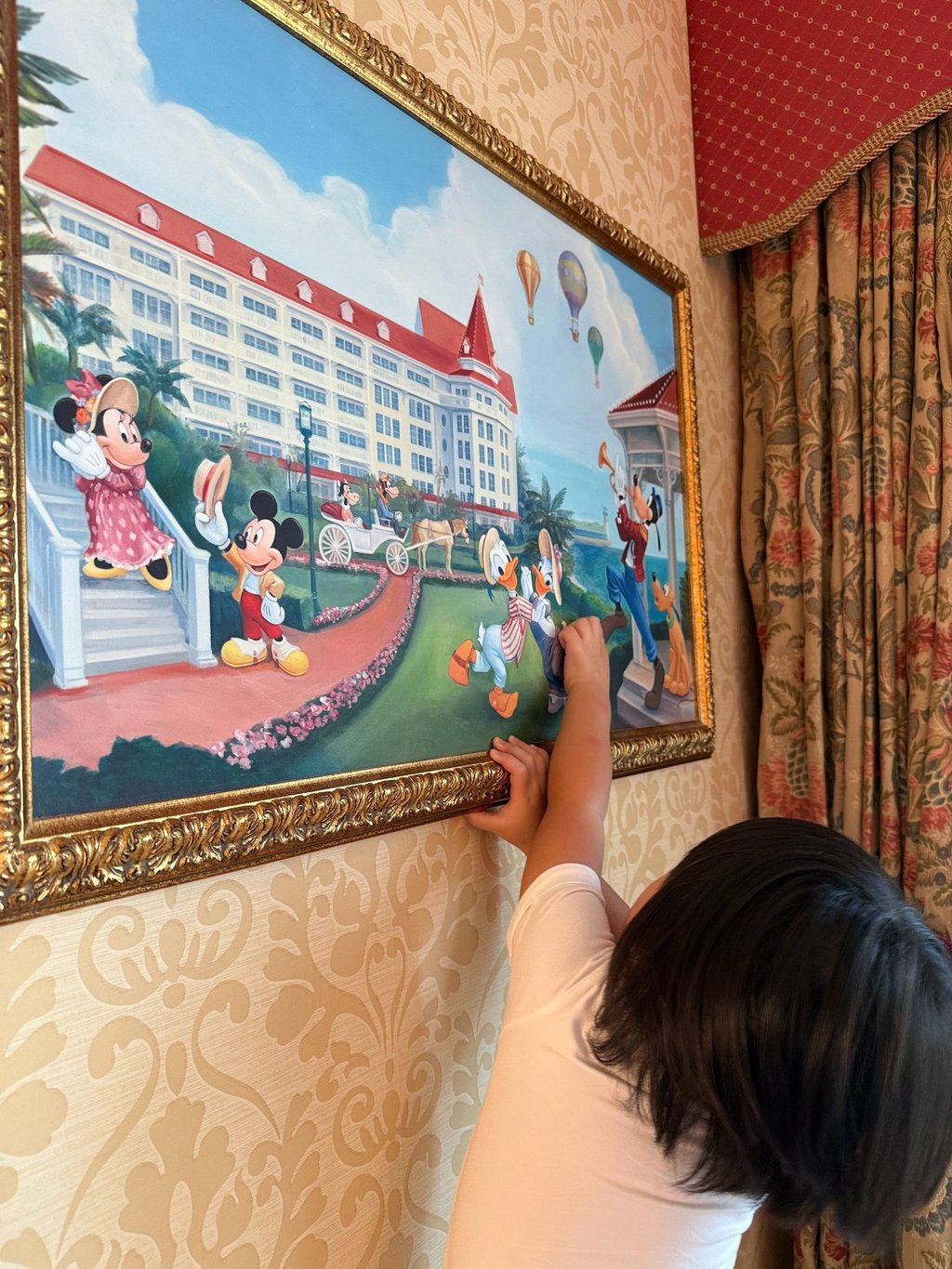
We spent decades encouraging children to believe in magic. Now we are raising them in a world where technology can convincingly fake reality itself.
As parents, we love the magical thinking phase of toddlerhood. It is the beautiful, fleeting window where a cardboard box is a spaceship, and yes, Santa delivers the presents, the shadows on the wall are friendly monsters, and Elsa is entirely real. We nurture this imagination on purpose because we know it is the bedrock of creativity, empathy, and problem-solving.
But our children are growing up in a world accelerated by generative AI and hyper-realistic media, and that creates an unprecedented parenting paradox: How do we teach a four-year-old to question what they see, when deepfakes can mimic real faces and AI-generated content can warp reality, without making them cynical? How do we lay the early foundations for digital safety without dismantling the innocence of their favourite fictional worlds?
The overlap of fantasy and public spaces
For children aged 3 to 6, cognitive development is still catching up to technology. They naturally struggle to separate fantasy from reality. That has always been true. But generative AI and immersive digital environments are making those boundaries far harder to recognise, even for adults.
The stakes are not hypothetical. Recent research from Common Sense Media found that more than a third of U.S. teens say they have already been misled by fake content online. Adolescents already struggle with this. The cognitive habits that shape how they will navigate AI-generated content begin forming long before they touch a phone.
Many parents notice this shift acutely while travelling. Our children now encounter augmented reality filters, AI-generated characters, and hyper-realistic digital displays everywhere, from shopping malls to smartphones to subway stations. To a three-year-old, a floating, lifelike 3D cartoon character leaping "out" of a subway wall is not a clever marketing trick. It is a real, living part of their physical world.
When the digital world becomes this hyper-realistic and inescapable, early exposure creates unique vulnerabilities. Without intervention, children grow up struggling to question the intent behind what they see, whether it is a commercial trying to manipulate them, a deceptive video, or someone taking and sharing photos of them without permission.
Yet if we intervene too aggressively, constantly declaring "That's fake!", we risk turning our toddlers into tiny cynics, extinguishing the creative spark that makes childhood so vibrant.
The goal is not to banish fantasy. It is to teach our children how to categorise it.
What works for our family: teaching "real vs. make-believe" gently
Here is the good news, and it surprised us when we first read it. Decades of research from developmental psychologist Dr. Jacqueline Woolley and her team at the University of Texas at Austin show that young children are not the uncritical believers we often assume. They are, in fact, what she calls "naïve skeptics" — children are as likely to doubt as they are to believe when they encounter something new.
In other words, the instinct is already there. Our job as parents is not to instil scepticism. It is to help our children apply the scepticism they already have, gently and without fear. Here are four ways we have tried in our own family.
1. Use the "inside vs. outside" your head framework
Instead of the word "fake", which carries a negative, dishonest connotation, try categorising ideas by where they live.
"Elsa and her ice magic are an inside-our-head story. She is real in the movies and in our imagination, and we can play with her there! But our pet cat is an outside-our-head animal. We can touch him in the real world."
This validates imagination as a wonderful, existing space rather than telling children their beliefs are wrong.
2. Demystify "media magic" through play
Toddlers often think screens are windows into real life. We can gently pull back the curtain.
Take a video of your child using a silly camera filter, bunny ears or dog nose, and show it to them. Laugh together. Ask: "Are you a real bunny? No, you're still you! The computer is just playing dress-up, just like you do."
This introduces a foundational concept: technology can change how things look. The thing underneath stays the same.
3. Play the "could it happen in nature?" game
Turn fact-checking into something silly. "Can a dog bark? Yes! Can a dog fly like a superhero? No, that's a silly story!"
Teaching children to look for clues in the real world helps them build evidence-based thinking. When they eventually see a floating holographic ad or a strange video online, their first instinct will be to ask: Does this happen in the real world?
4. Talk about "tricks" through storytelling
When reading fairy tales where a character gets tricked, pause and ask: "Did the character really see that, or did someone make up a clever trick to fool them?"
This introduces the concept of intent, that sometimes stories, screens, or advertisements are created on purpose to make us believe something that is not true. Children understand trickery long before they understand technology.
Books we recommend for ages 3 to 6
These four titles have been personally useful in our family to kickstart these conversations:
Not a Box by Antoinette Portis
Where the Wild Things Are by Maurice Sendak
#Goldilocks: A Hashtag Cautionary Tale by Jeanne Willis
Webster's Email by Hannah Whaley
My daughter learning about Disney characters during her visit to Disneyland
Our children are going to inherit a world where the boundary between the physical and the virtual is nearly invisible. By anchoring them in real-world truths while giving them the freedom to dream, we are not limiting their world. We are making it bigger.
Our job is not to kill the magic. It is to give our children a second superpower alongside their imagination: the instinct to ask, "Is this my story, or is someone else telling it to me?"
References
Common Sense Media. (2025). Research Brief: Teens, Trust, and Technology in the Age of AI.
Woolley, J. D., & Ghossainy, M. E. (2013). Revisiting the fantasy–reality distinction: Children as naïve skeptics. Child Development, 84(5), 1496–1510.